
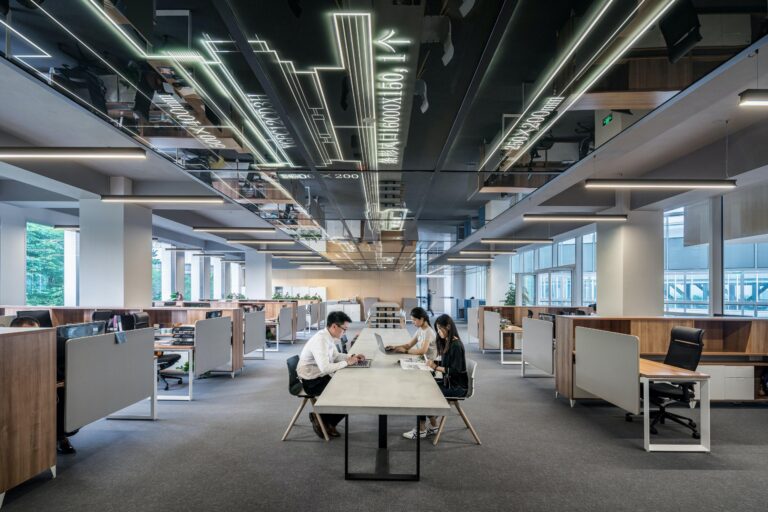
Vinyl vs. Fabric Upholstery: Which is Better for Your Furniture?
Get Pricing
Sit-stand desks, lockers, workstations and seating — indicative pricing for commercial fitouts in Canberra.
Pricing Catalogue
When upgrading office furniture in Canberra, Sydney, or Melbourne, it’s easy to focus on style, shape, and price. But one decision will impact comfort, durability, and maintenance for years to come — your upholstery choice.
The two most common options are vinyl upholstery and fabric upholstery. Each has its pros and cons, and the right choice depends on your environment, your staff’s needs, and the level of maintenance you’re prepared for.
In this guide, we’ll compare vinyl vs fabric upholstery in detail, share real-world examples from commercial projects, and help you choose the best fit for your space.
1. What is Vinyl Upholstery?
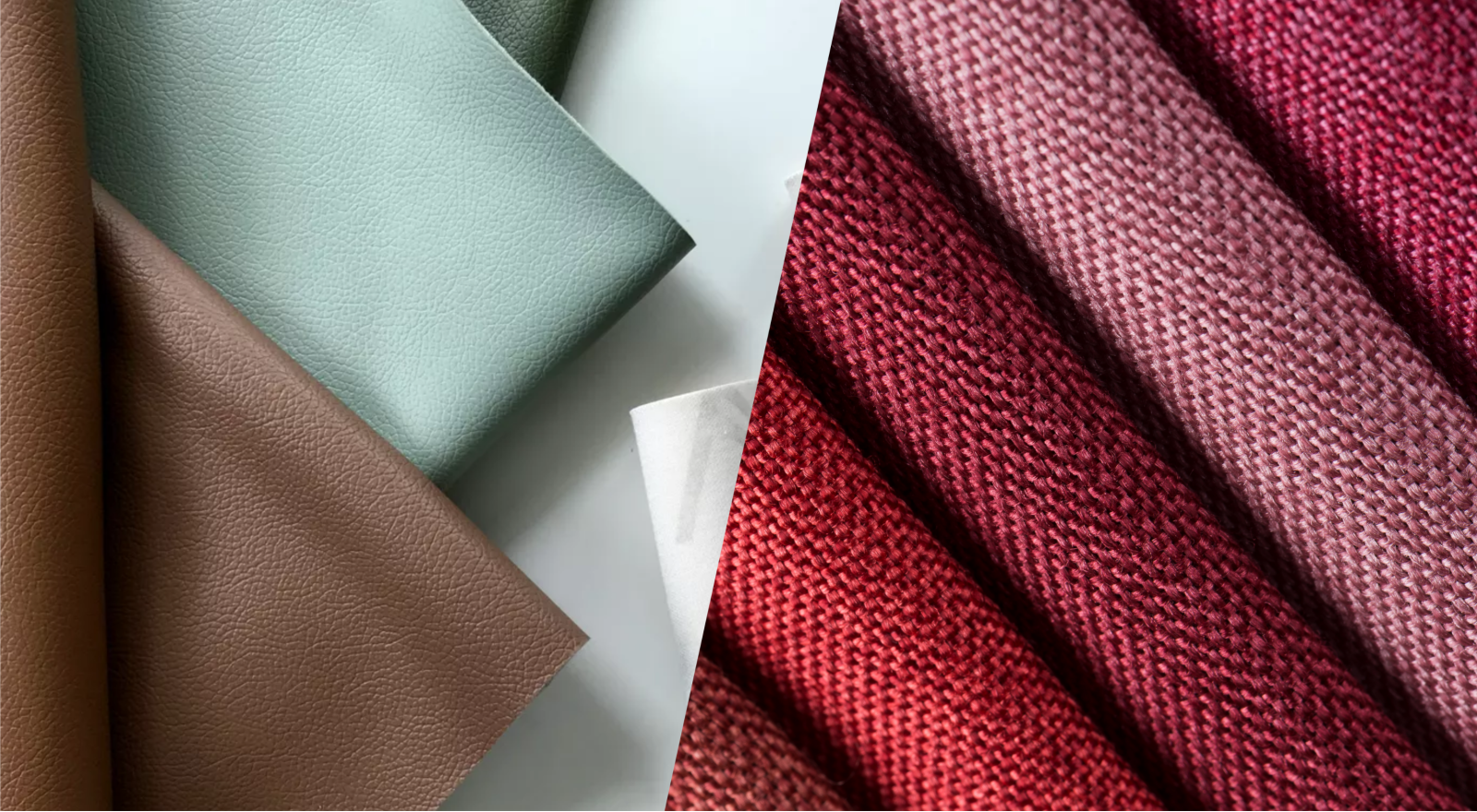
Vinyl upholstery is a synthetic material made from polyvinyl chloride (PVC), designed to mimic leather while offering excellent stain resistance and waterproofing.
Upholstery Vinyl

Popular in:
❖ Healthcare waiting rooms
❖ Reception seating in government offices
❖ School cafeterias and libraries
❖ Boardroom and meeting space chairs
❖ Swivel office chairs upholstered in high-traffic areas
Benefits of Vinyl Upholstery:
❖ Easy to wipe clean — ideal for areas prone to spills
❖ Resistant to water, coffee, and ink stains
❖ Highly durable for daily heavy use
❖ Available in many textures and colours
Potential downsides:
❖ Less breathable than fabric — can get warm during long sitting periods
❖ May crack if exposed to extreme heat or poor care
❖ Slightly firmer feel compared to fabric
2. What is Fabric Upholstery?
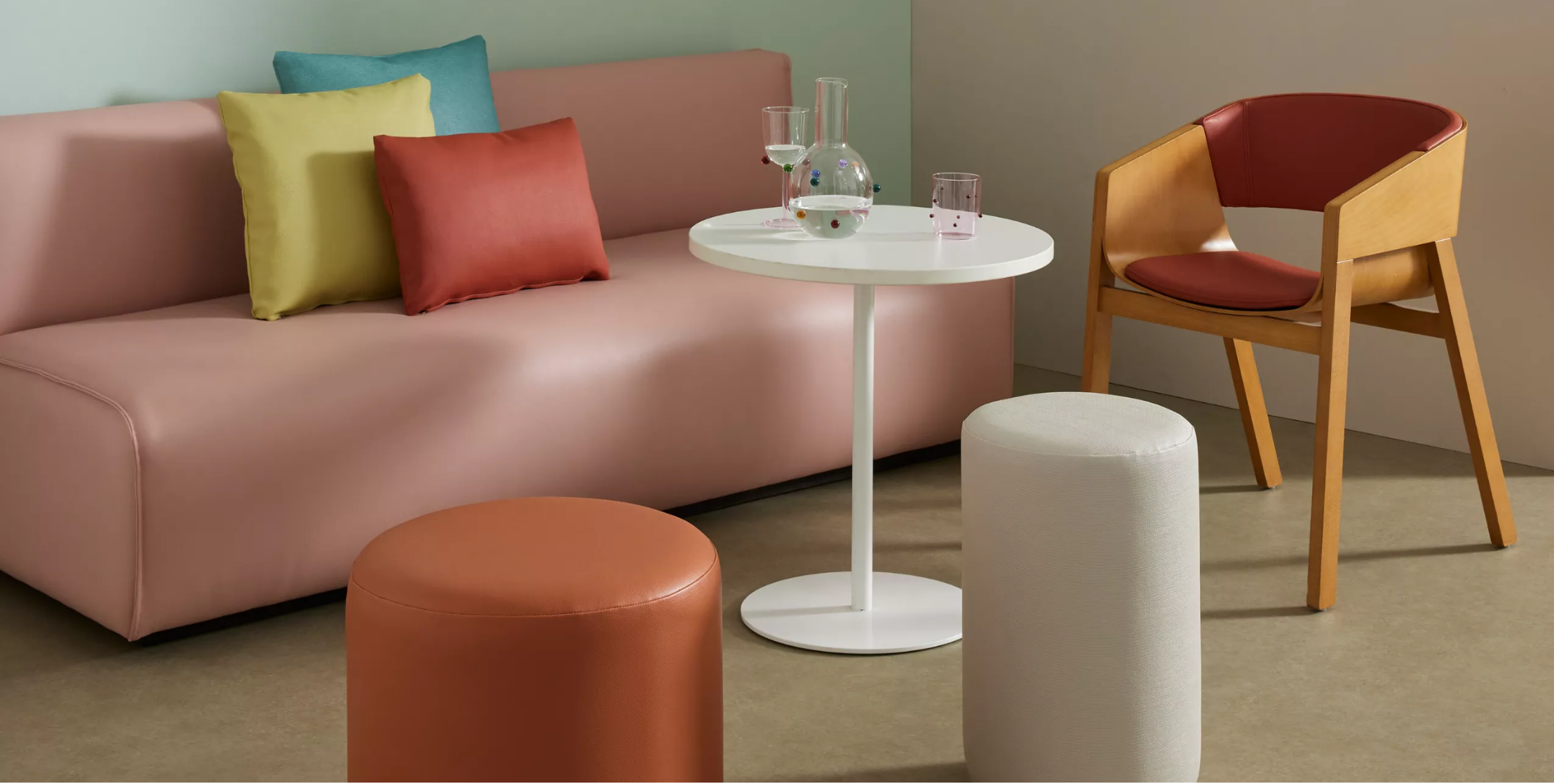
Fabric upholstery is made from woven fibres — natural (cotton, wool) or synthetic (polyester, acrylic) — or a blend. It’s soft, breathable, and offers extensive design variety, making it the other main choice when comparing vinyl vs fabric upholstery.
Upholstery Fabrics

Popular in:
❖ Lounge seating in collaborative workspaces
❖ Upholstered chair for office reception areas
❖ School library seating
❖ Executive meeting rooms
Benefits of Fabric Upholstery:
❖ Softer and more comfortable for long sitting
❖ Huge range of colours, textures, and patterns
❖ Feels warm and inviting
❖ Less prone to heat build-up
Potential downsides:
❖ Absorbs spills and can stain
❖ Needs more frequent cleaning
❖ Can fade in strong sunlight
3. Vinyl vs Fabric Upholstery: Side-by-Side Comparison
| Feature | Vinyl Upholstery | Fabric Upholstery |
|---|---|---|
| Durability | Very durable for high-traffic areas | Durable but shows wear sooner in busy spaces |
| Maintenance | Wipe clean with mild soap and water | Regular vacuuming + occasional professional cleaning |
| Moisture Resistance | Excellent | Low to moderate |
| Comfort | Firm, less breathable | Soft, breathable |
| Design Variety | Many textures, limited patterns | Endless colours and patterns |
| Allergy Friendliness | Doesn’t trap dust or allergens | Can trap dust and pollen |
| Cost Over Time | Often more cost-effective long-term | Higher long-term cost due to cleaning |
4. Cleaning and Maintenance Tips
Whether you choose vinyl vs fabric upholstery, following the right cleaning routine will keep your furniture looking professional for years.
Vinyl Care:
❖ Wipe regularly with a damp cloth
❖ Avoid harsh cleaning chemicals that dry out the surface
❖ Keep away from prolonged direct sunlight
Fabric Care:
❖ Vacuum weekly to remove dust and crumbs
❖ Use stain-repellent sprays for extra protection
❖ Blot spills immediately (never rub)
❖ Schedule professional cleaning annually
5. Cost Over the Furniture’s Lifespan
It’s important to look at total cost of ownership, not just purchase price.
Example:
❖ Vinyl reception chair: $350 upfront, minimal cleaning costs, lasts 8–10 years
❖ Fabric reception chair: $320 upfront, $50/year cleaning, lasts 6–8 years
Over time, vinyl can be more cost-effective for high-use spaces.
6. Sustainability Factors
Many buyers weighing vinyl vs fabric upholstery also consider sustainability — from eco-certified fabrics to recycled-content vinyl.
❖ Vinyl: Not biodegradable but available in eco-friendly, low-toxicity versions.
❖ Fabric: Natural fibres are biodegradable, but most commercial fabrics are synthetic for durability.
Aurora Tip: Ask for eco-certified upholstery fabrics or recycled-content vinyl to reduce environmental impact.
7. Matching Upholstery to the Space
Choose Vinyl if:
❖ You need easy-to-clean seating
❖ You have high traffic and spill risk
❖ Hygiene is a top priority
Choose Fabric if:
❖ Comfort is essential
❖ You want maximum design flexibility
❖ The furniture won’t be exposed to frequent spills
8. Download the Upholstery Catalogues
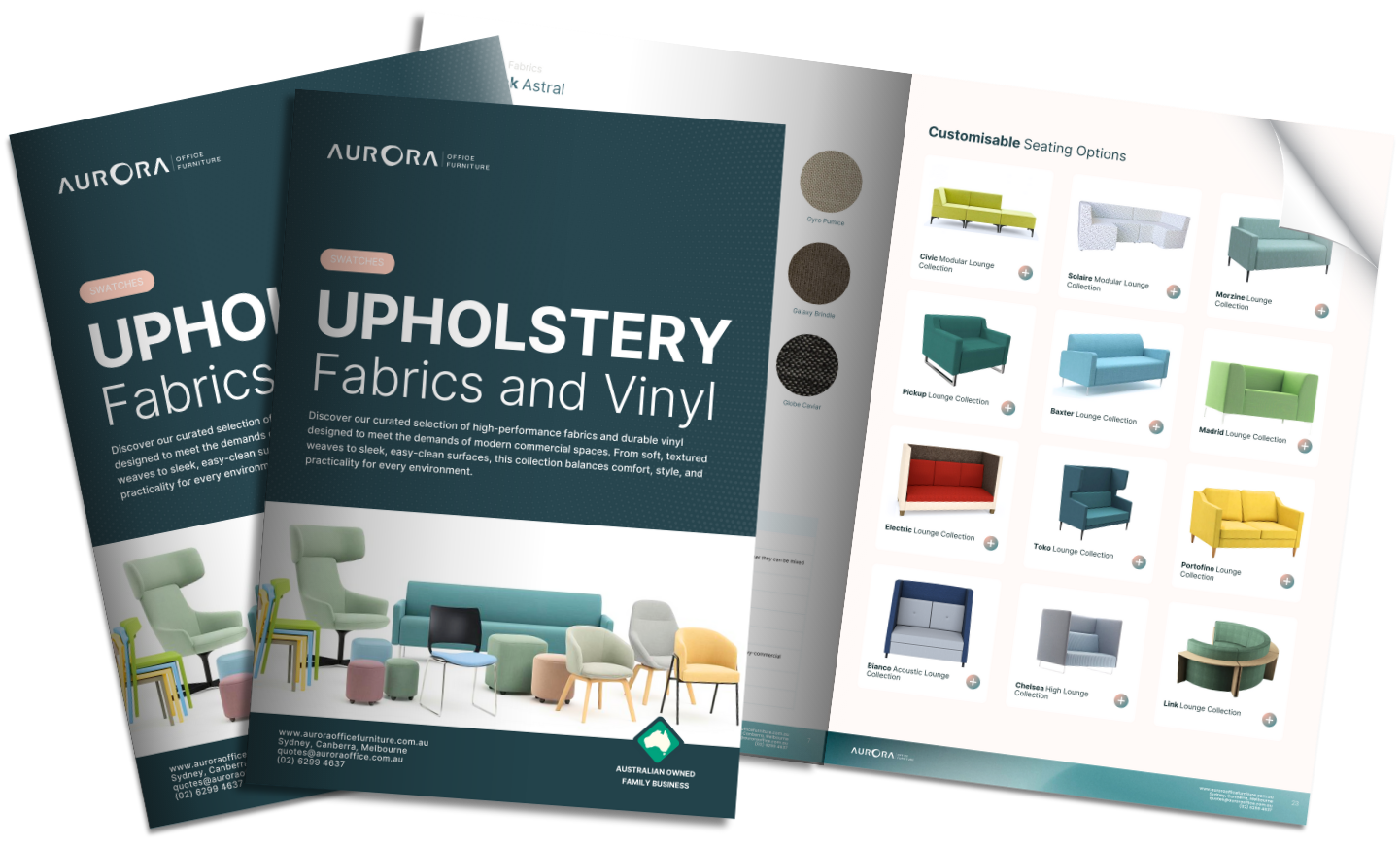
Explore our complete upholstery collection — featuring high-performance fabrics and durable vinyl for modern commercial spaces, including the Fabric Information Overview. From soft, textured weaves to sleek, easy-clean surfaces, this range offers the perfect balance of comfort, style, and practicality.
9. Aurora Office Furniture Recommendation
At Aurora Office Furniture, we help businesses in Canberra, Sydney, Melbourne, and across Australia choose the right upholstery based on function, style, and budget.
In many cases, we recommend a hybrid approach:
❖ Vinyl in receptions, cafeterias, and high-use areas
❖ Fabric in lounges, boardrooms, and breakout spaces
Frequently Asked Questions
Which lasts longer — vinyl or fabric upholstery?
Vinyl generally lasts longer in high-traffic commercial spaces because it’s highly resistant to wear, stains, and moisture. Fabric can also be durable, but in busy environments, it may show signs of wear sooner and require more maintenance.
Is vinyl upholstery hotter to sit on than fabric?
Yes, vinyl is less breathable than fabric and can feel warmer during long sitting periods, especially in spaces without good airflow. Fabric allows more air circulation, making it more comfortable for extended use.
Can I mix vinyl and fabric in the same office?
Absolutely. Many workplaces use a hybrid approach — vinyl in high-use, spill-prone areas like receptions and cafeterias, and fabric in lounges, boardrooms, or quiet spaces where comfort is the priority.
How do I clean and maintain vinyl upholstery?
Vinyl is easy to maintain. Simply wipe it with a damp cloth and mild soap. Avoid harsh chemicals that can dry out the surface, and keep it out of prolonged direct sunlight to prevent cracking.
What’s the most cost-effective option for commercial furniture?
While vinyl can have a slightly higher upfront cost, it typically offers lower maintenance expenses and a longer lifespan in high-use areas. Fabric may cost less initially but can incur higher cleaning and replacement costs over time.

Need help choosing the right upholstery for your office furniture?
Our team can guide you through the pros and cons of vinyl vs fabric upholstery, show you real samples, and help you select the best option for your workspace — with expert advice, 3D previews, and tailored recommendations.
Featured posts
View all posts



Get Our Pricing Catalogue
